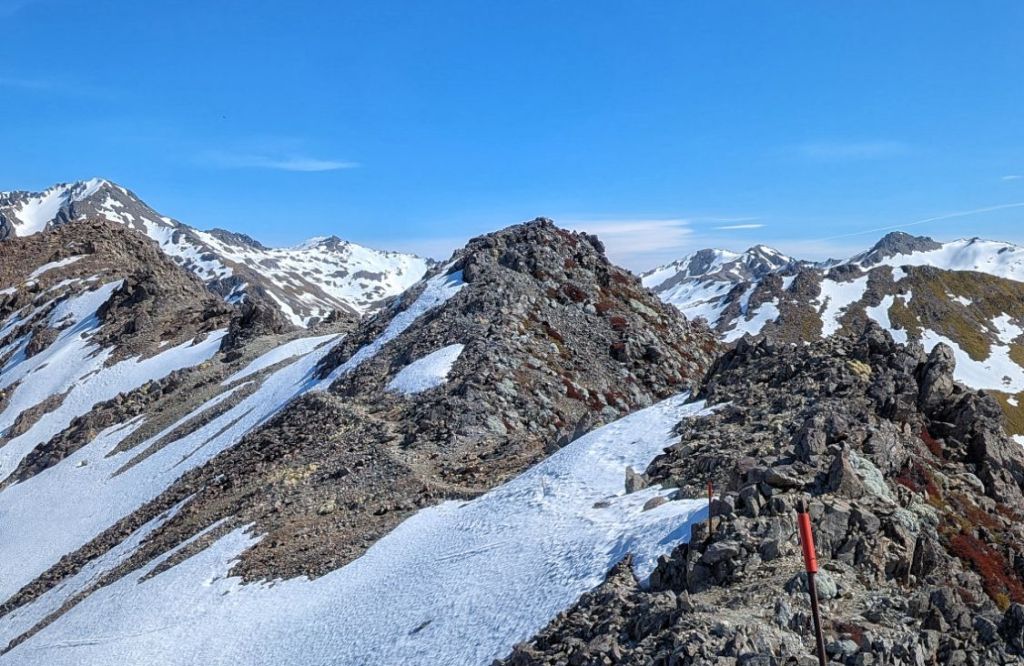
Short answer – yes. There are many hiking (tramping) trails in New Zealand that are clearly signed, marked and have huts to stay at along the way. I just completed my first solo hike in the Nelson Lakes National park to Angelus hut along the Robert ridge route, returning via Speargrass route. I am sharing how it really felt, the challenges, the weather and the hut experience.
For a detailed description of the route I took up and back – check this post.
Skip to summary of Solo hiking.
Note: There are helpful warning signs when the track is about to get difficult and some quite strong encouragement to turn back.
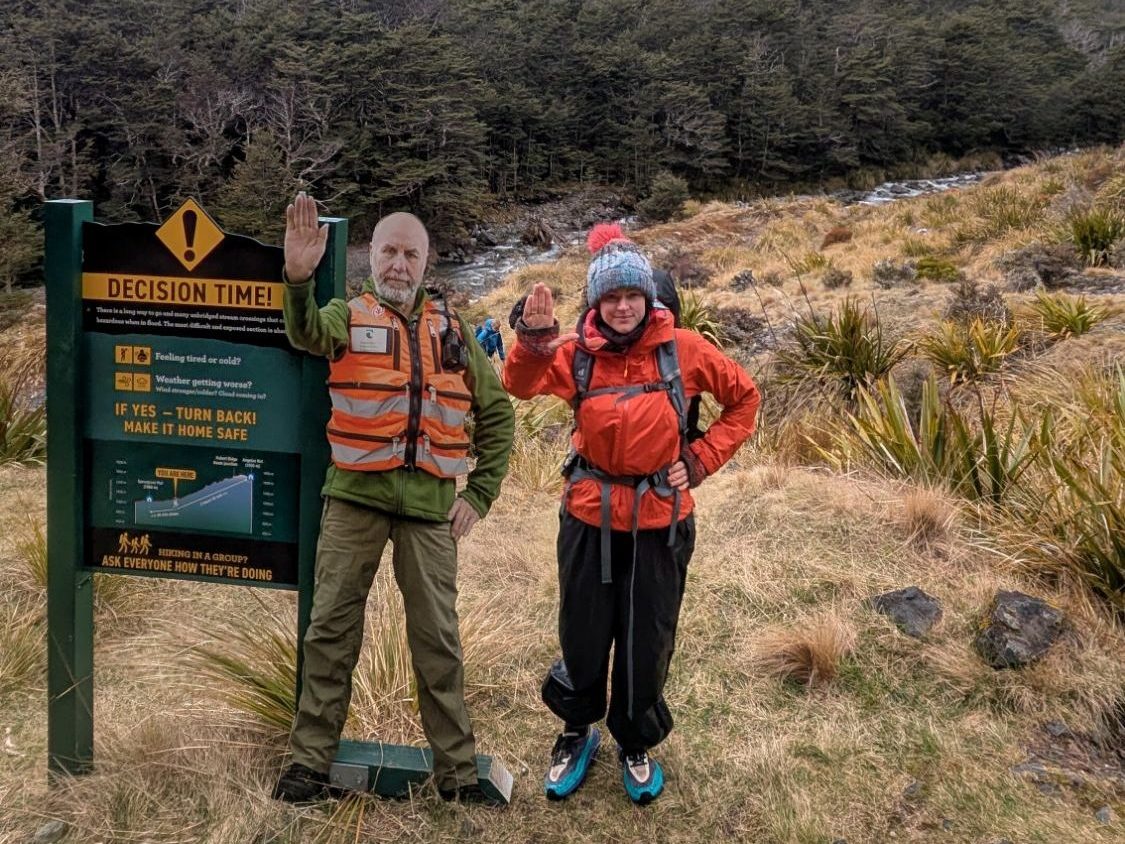
My first hiking experience was..
Quite challenging. Bearing in mind that I started hiking less than 2 years ago, I bit off a little more than I could comfortably chew. Luckily, I met some friendly hikers from Ireland along the route and we hiked the challenging bits together.
The story
I planned to hike 11km to an alpine hut, stay overnight there, then hike 11km out via a different route the next day. The plan was solid. It brought me to the very edge of my newly developed skills.
Firstly: The elevation. The Hut sits at 1,650 meters. Bearing in mind that the tallest mountain in the UK (Ben Nevis, in Scotland) is only 1,345 meters and I have not even climbed that – the climb on this walk was more than I was used to and I was not prepared for there being as much snow. There are usually mountain cameras at the hut that would show you this, but they are out of action at the moment.
Secondly: The complexity of the route in the winter going into spring conditions. Parts of the path were covered in iced snow drifts which we either had to traverse or scramble to avoid. I did not have my winter gear (I had been planning for a ‘spring hike’) and I am not yet great at scrambling.
Finally: The Ridge itself involved more scrambling than I have done before. In the past, I have always been in a group with friends, or with an instructor. This time I was all alone or with strangers who I did not want to inconvenience lest they left me perched alone on the side of a mountain.
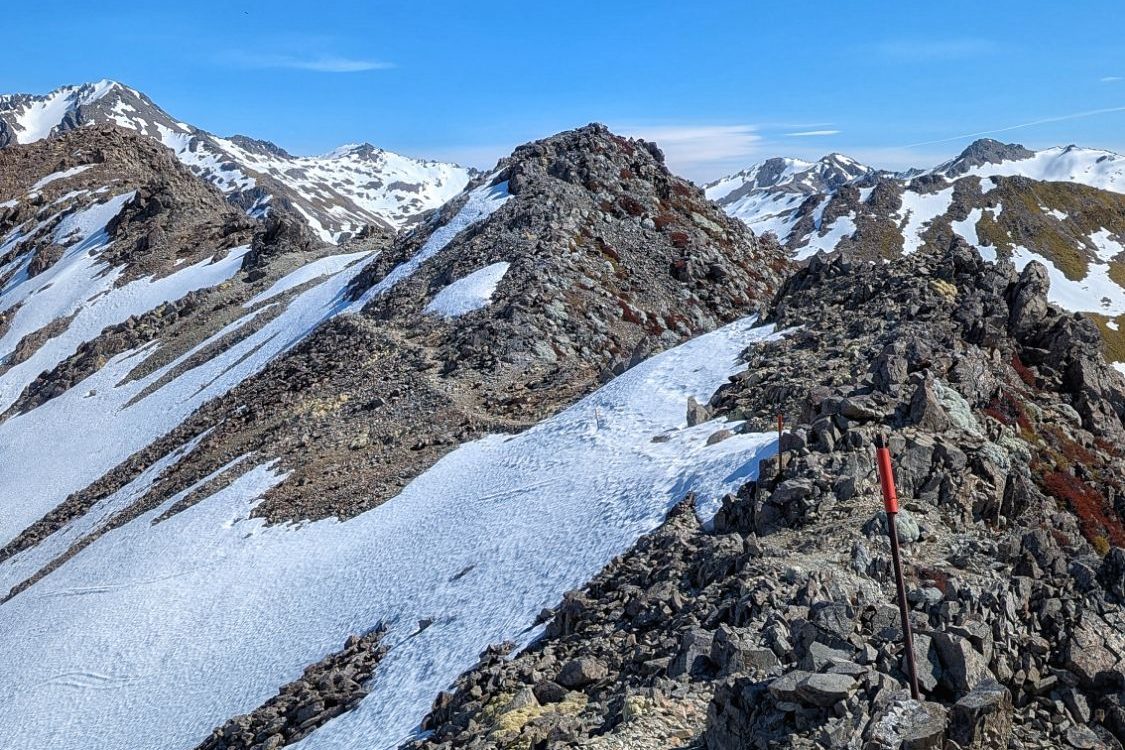
All that said – every time I overcame another tiny fear, scrambled across another sheer drop or successfully crossed a patch of ice – I felt more and more proud of myself.
The reward: Angelus Hut
Nestled in a crater – this hut was bathed in sunshine as we arrived. It was a welcome relief after the blistering winds and challenging terrain we had crossed to get there.
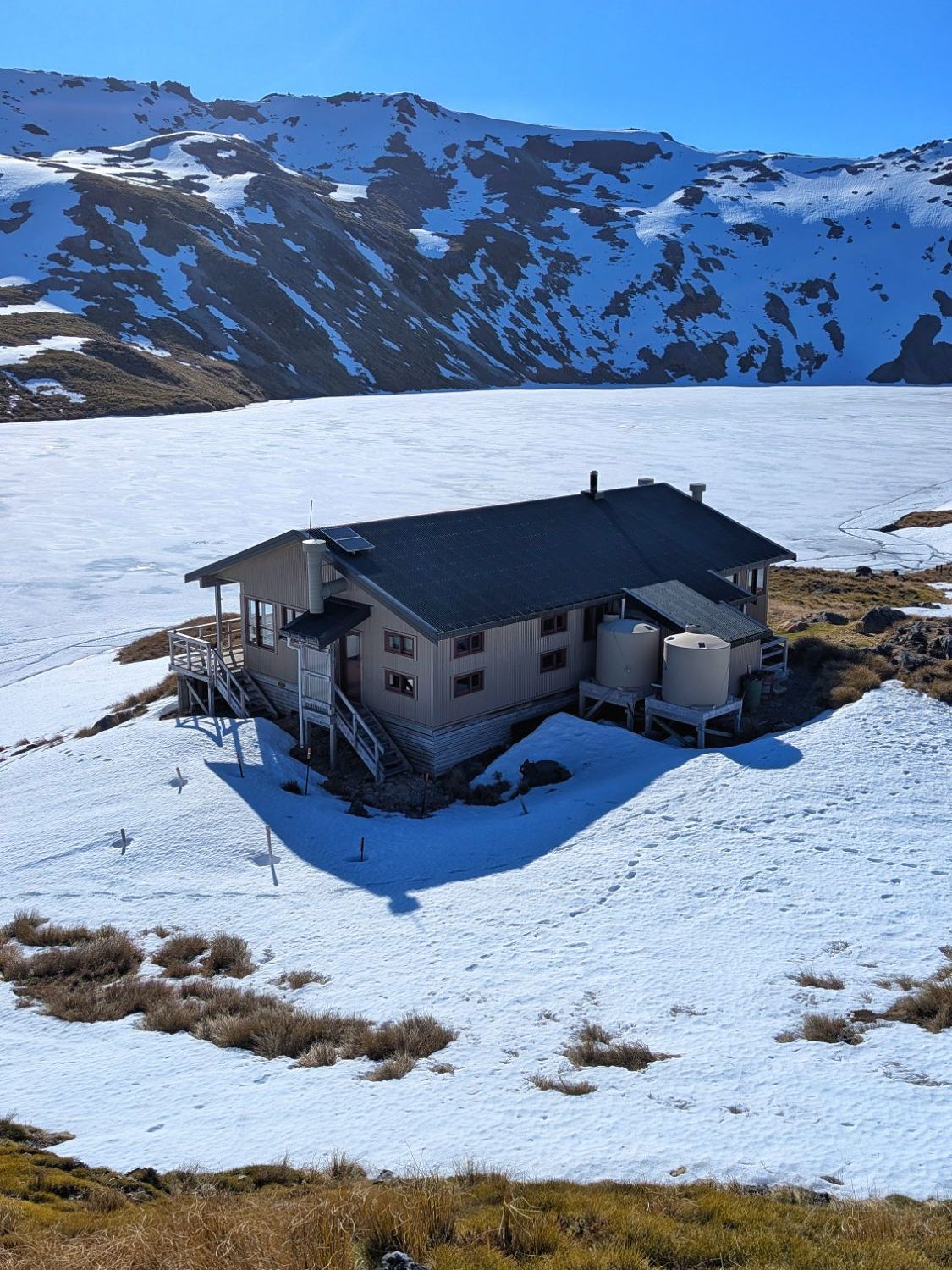
The hut sleeps 28, and it was over half full that night. There were all kinds of different groups, including other solo female travellers, trail running and hiking adventure couples, a mother and daughter and a group of old friends. Everyone was friendly, kind and self sufficient. We even got a small fire going after we had eaten to keep the chill off. Everyone was asleep by 10pm after admiring the stars and the milky way.
The next day however…
The weather changed and visibility had gone
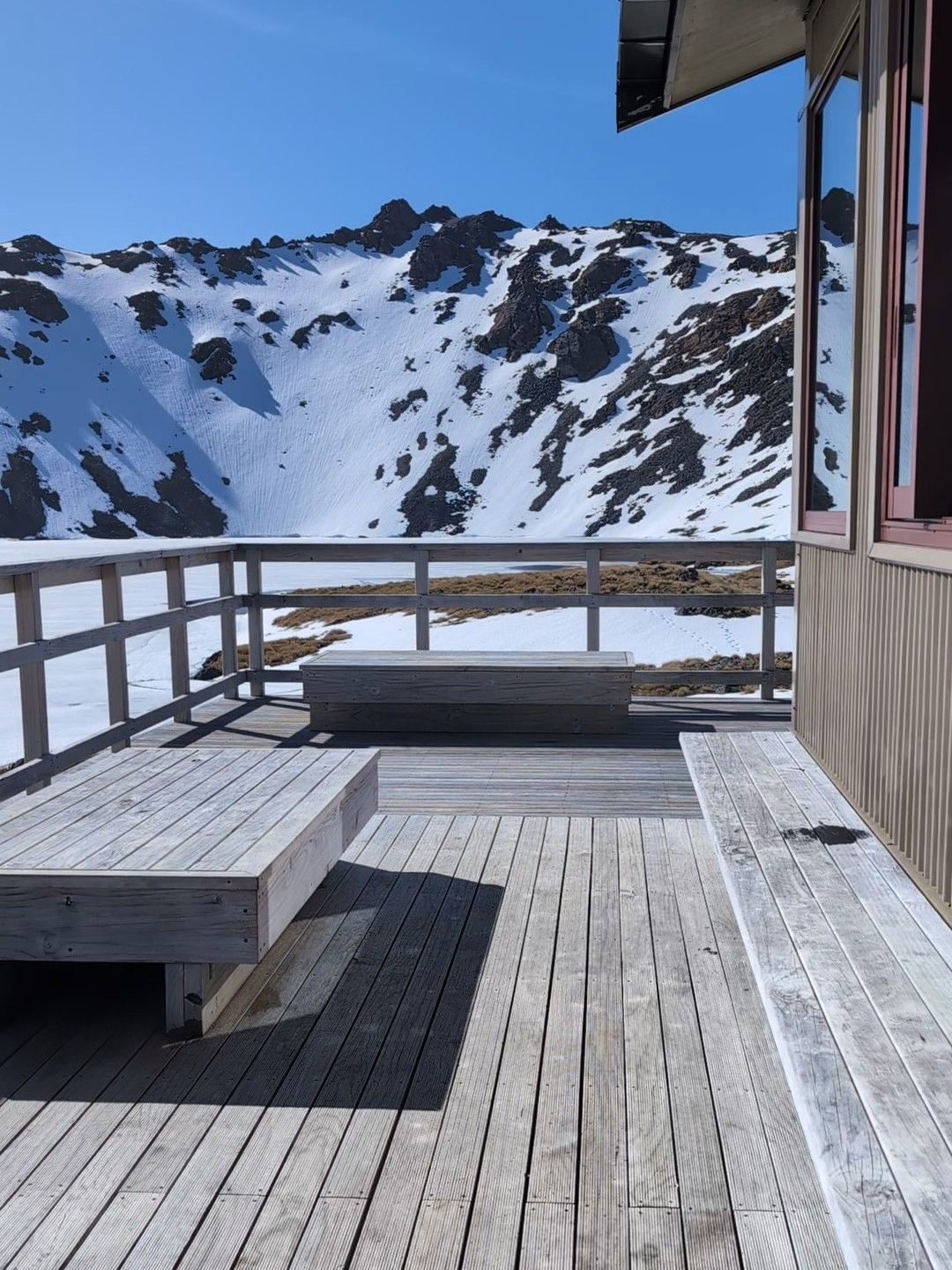
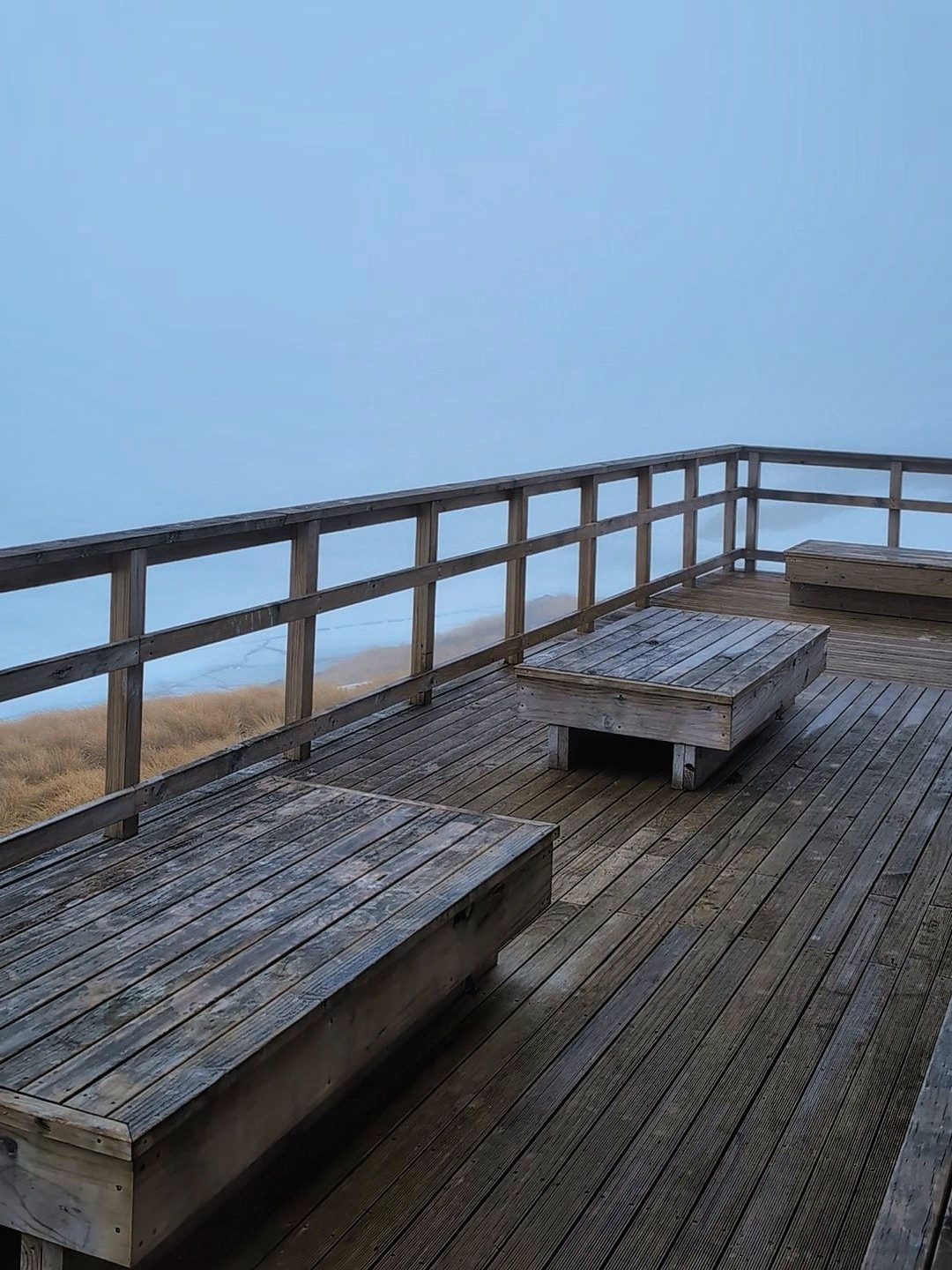
Some of the people in the hut wanted to wait it out until it cleared. Others were convinced that it would get worse and that it was best for us to get down while we still could. The wind was strong and hardly anyone wanted to try the ridge route. The alternate route involved several river crossings and, with the risk of rain, these would get more dangerous.
I went for the river route – which had been the original plan.
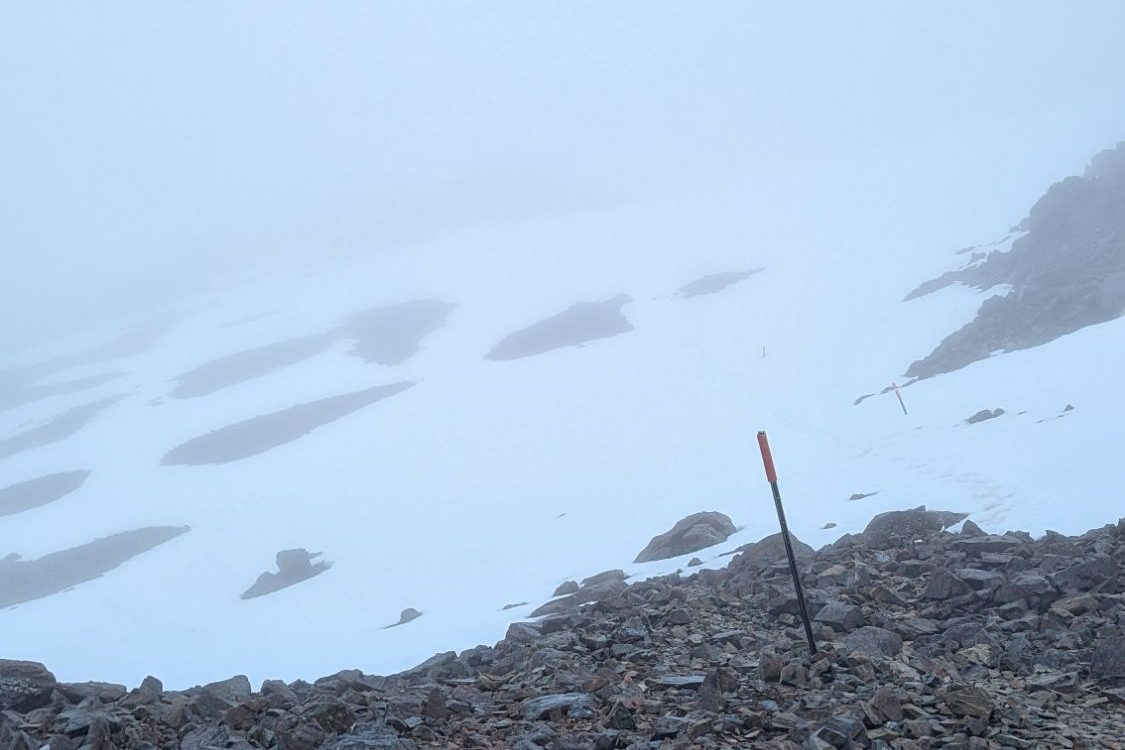
Starting out with very low visibility, we had to traverse down the icy snow to exit the alpine area. We had kicked in some foot holes on our way in the previous day which were a great help in getting back down.
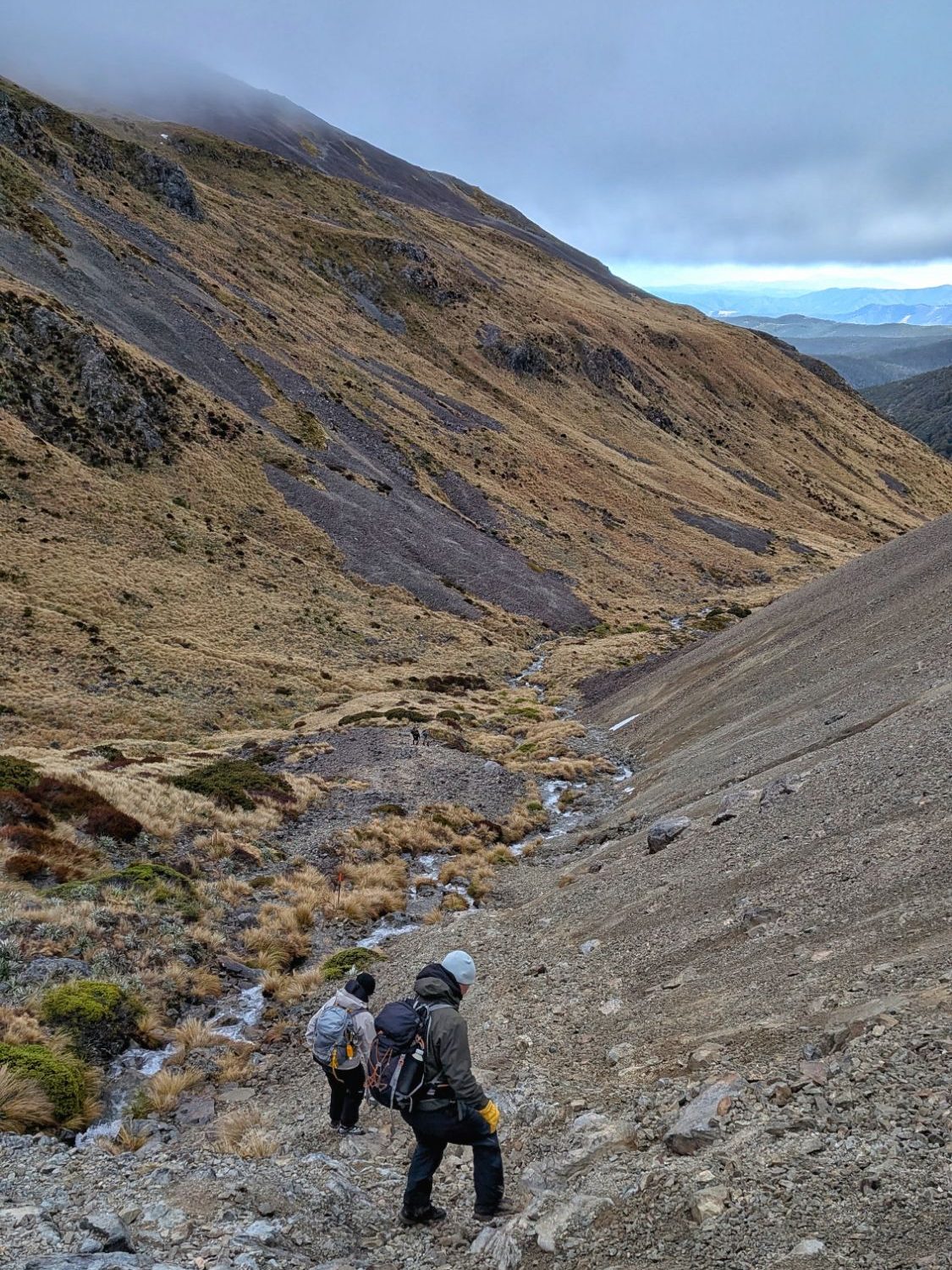
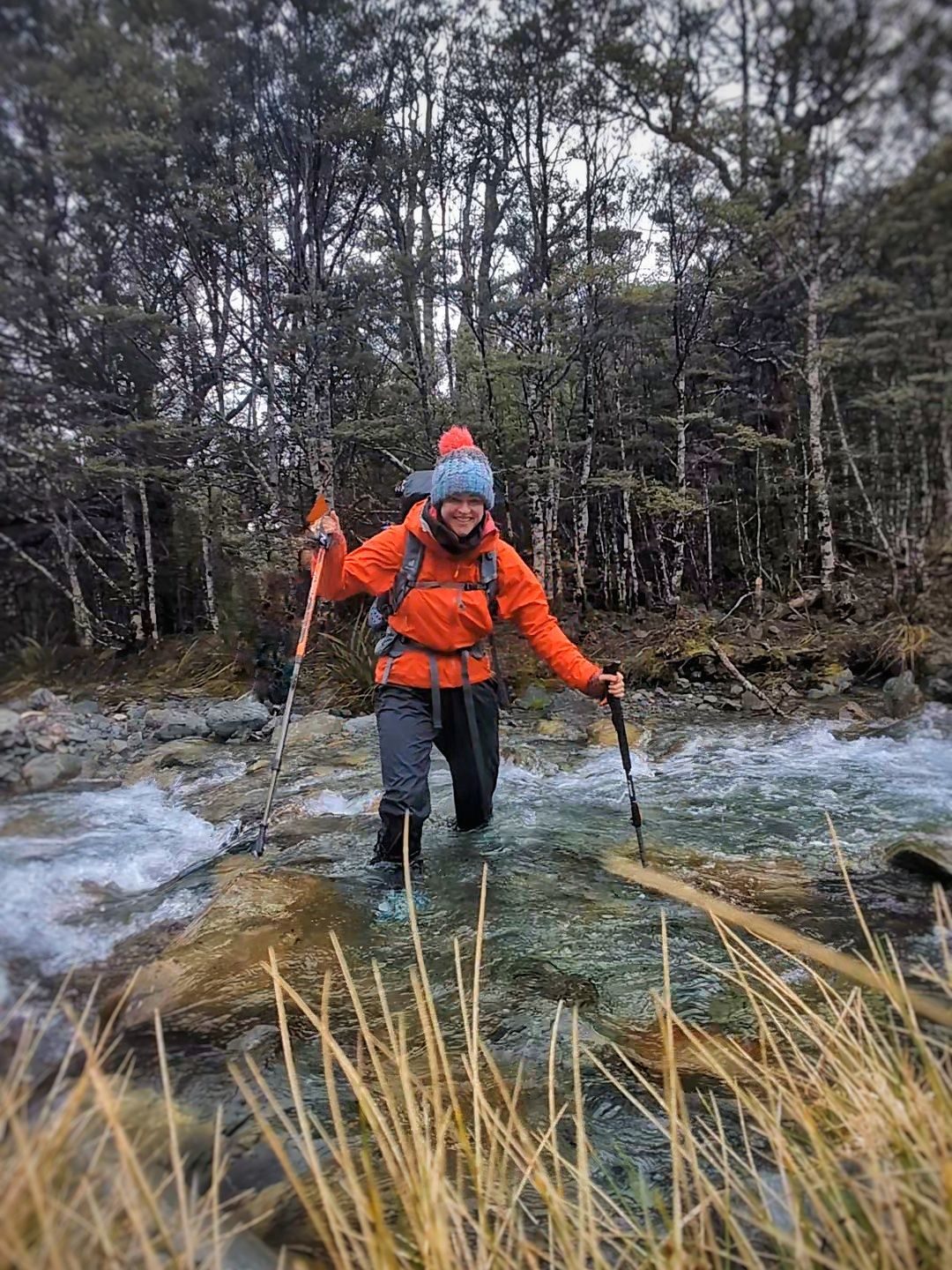
Then followed a long path which was mostly scree, and crossed over the river at least 7 times. Having previously fallen into a river during a crossing (at the Ring of Steall) I didn’t risk a fall this time and instead opted to get wet feet.
When you cross a river you can either
- Try to keep your feet dry: Balancing on stones and stepping carefully between them. The risk to this approach is that you slip and fall. The worst possible outcome is bruises / injuries and being very wet all over.
- Get your feet wet: Stepping in the river, finding secure footing. The worst possible scenario is you get wet feet.
Given the above – I now chose wet feet every time.
In Summary
Any solo hike is an adventure. New Zealand is great as there are trail markers on many, even the more remote trails. There are huts to stay at which allow you to hike further into the wilderness without a tent. Some of the huts require booking in advance so check the DoC (department of Conservation) website.
When you are solo, it is even more important to bring survival equipment and a way of alerting emergency services if you have an accident. My pal had lent me their Garmin In Reach which I used to let them know when I was safe at the hut, and also used it to get a weather report for everyone while we were in there trying to decide how to leave the mountain safely. (This is not an Ad, this is literally just my story).
Discover more from The Little Hiker's Guide
Subscribe to get the latest posts sent to your email.
 The Little Hiker's Guide