This is my opinion based on what I have found I use. When starting out I was known to carry WAY too much stuff yet still somehow not have the stuff I need. I Over time I have improved.
On a recent hike, I fell in a river. When I got out, I opened my pack to see what I could do about changing clothes etc and my stuff was so incredibly well organised that it gave both me and the rest of my group faith that I could in fact carry on the hike, despite being soaked, at the start of a 7hr mountain hike, in Scotland, in January.
For this list I am ssuming that the hike is fairly remote. If you are hiking near shops, other people etc then some of what is on the list is not ‘essential’ but still good practice.
Summer
Essentials
- Water
- Snacks / Lunch
- First aid kit
- Whistle
- Spare light layer
my additional / Luxury
- Drone (my #1 luxury)
- Sunglasses (if lucky enough to need them)
- Seat pad / mini chair for comfy lunches
- Binoculars (remember to use them)
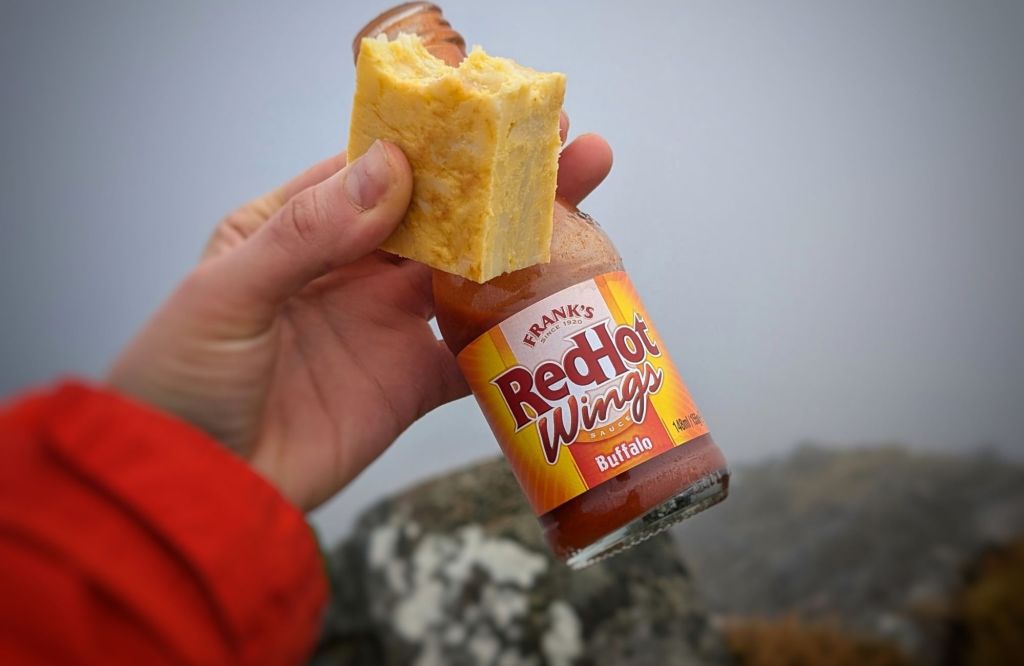
- Extravagant hot sauce collection 🔥
Winter
Essentials
- Multiple warm layers
- Water proofs
- Hat & Gloves
- Micro Spikes – if icy
- First aid Kit
- Food, more than you think you need
- Torch
- Whistle
- Water (ideally not with a hose system that will freeze)
+ For Mountains
- Ice Axe
- Crampons
- Ropes (if climbing)
My additional / Luxury
- Heated gloves 😍 – mine are Sealskinz
- Thermos full of spicy Szechuan soup
- Drone (falls to #3 but still always take it)
- Gaiters (keeps snow out of the boots)
- Full spare set of clothes, in dry bags
- Sunglasses (if lucky enough to need them)
- Seat pad / mini chair for comfy lunches
- Binoculars (remember to use them)
- Extravagant hot sauce collection 🔥
Where are map, compass, hiking poles you ask?
Good question. Hiking poles, in my opinion, are neither essential nor a luxury. They are a personal choice. I personally chose to take them.
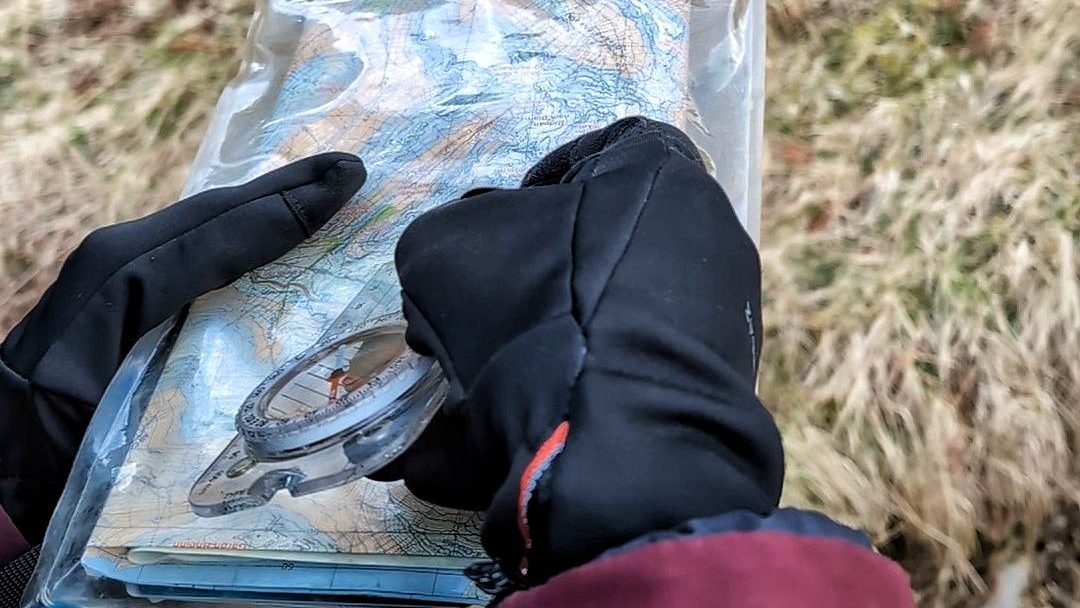
Map and Compass.. are advised, often essential if trying to compete in a race, or if attending a course. What I think is essential is that you have:
- A way of knowing where you are at all times
- A way of navigating back to safety
- A way to contact emergency services if you need help
- A way of letting emergency services know where to find you
- Someone who knows where you have gone so they can contact someone if you fail to return by a set time
How you achieve those things is up to you.
Discover more from The Little Hiker's Guide
Subscribe to get the latest posts sent to your email.
 The Little Hiker's Guide